
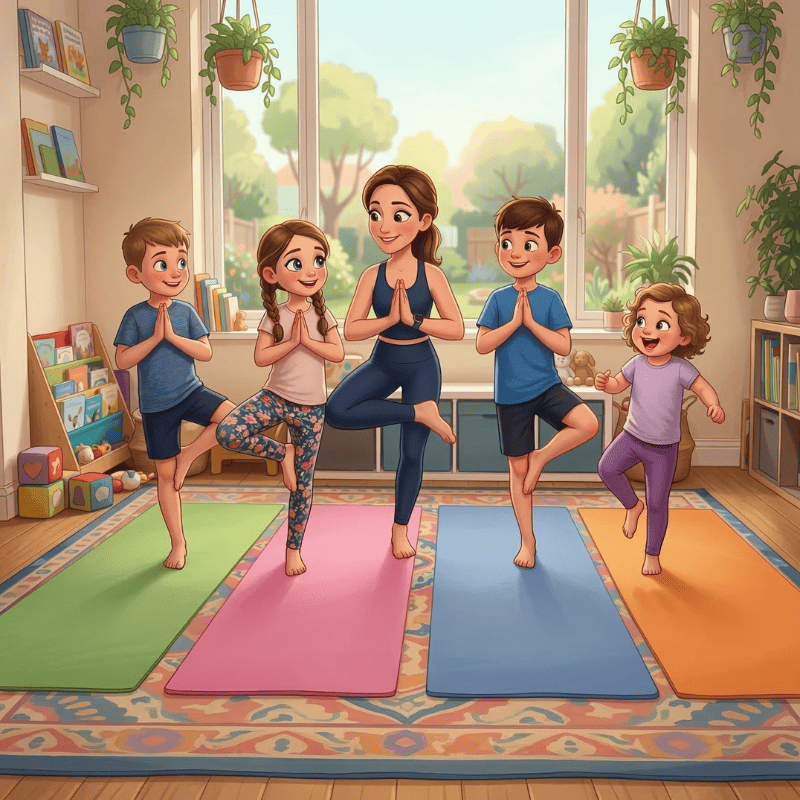
- Written by: Admin
- March 2, 2026
- Categories: Education, School, Students
- Tags: , best kids yoga classes, kids yoga benefits, online yoga for kids, Yoga guide for beginners
The Ultimate Guide to Yoga for Kids (A Complete Parent Handbook)
Yoga is no longer just for adults. Today, yoga for kids is becoming one of the most effective ways to support children’s physical health, emotional balance, and mental focus. As parents search for healthy activities beyond screen time, kids yoga stands out as a safe and powerful solution.
This complete handbook will guide you through everything you need to know about introducing yoga into your child’s life.
What Is Yoga for Kids?
Yoga for kids is a child-friendly adaptation of traditional yoga. It includes simple poses, breathing exercises, playful movements, and mindfulness techniques designed specifically for young minds and growing bodies.
Unlike adult yoga, children’s yoga focuses more on:
- Fun and imagination
- Short, engaging sessions
- Story-based movement
- Games and creativity
Programs at Yoga Guppy are designed to make yoga playful while still delivering real developmental benefits.
Benefits of Yoga for Kids
Parents often ask whether yoga truly helps children. The answer is yes — and the benefits are both physical and emotional.
Physical Benefits:
Improves flexibility and posture
Builds strength and coordination
Enhances balance
Supports healthy growth
Mental & Emotional Benefits:
Improves focus and concentration
Reduces anxiety and stress
Encourages emotional regulation
Builds confidence and self-awareness
Regular practice of kids yoga at home can positively impact school performance and daily behavior.
When Should Kids Start Yoga?
Children can begin yoga as early as age 3–4 with simple movements and games. For younger children, sessions should be short (10–15 minutes) and highly interactive.
As they grow older, structured online yoga classes for kids can provide more guidance and progression.
Beginner Yoga Poses for Kids
If you’re starting at home, try these beginner-friendly poses:
1. Tree Pose:
Improves balance and focus.
2. Butterfly Pose:
Gently stretches hips and legs.
3. Cat-Cow Pose:
Improves spinal flexibility.
4. Downward Dog:
Builds strength in arms and legs.
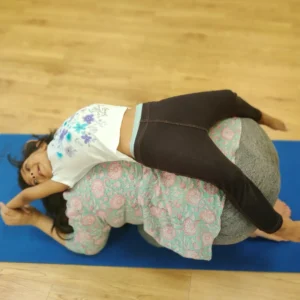
5. Child’s Pose:
Encourages relaxation and calm breathing.
Keep sessions fun and avoid correcting too much. The goal is enjoyment, not perfection.
How to Practice Yoga for Kids at Home
Here are simple steps to create a successful kids yoga routine:
1. Create a Calm Space:
Use a small mat or soft surface.
2. Keep It Short:
10–20 minutes is enough.
3. Make It Playful:
Use stories and animal poses.
4. Practice Together:
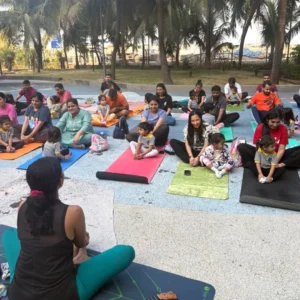
Family yoga builds bonding and motivation.
5. Stay Consistent:
Even 3–4 times per week makes a difference.
Many parents find that guided online yoga classes for kids make it easier to stay consistent.
The Role of Mindfulness in Kids Yoga
Yoga is not just about movement. It also teaches breathing and awareness.
Simple breathing exercises help children:
Calm down during big emotions
Focus before homework
Relax before bedtime
Mindfulness is one of the most valuable life skills children can learn.
Is Yoga Safe for Kids?
Yes, yoga is safe when practiced correctly. To ensure safety:
Choose age-appropriate poses
Avoid forcing stretches
Supervise young children
Focus on fun rather than intensity
Professional programs, like those offered through structured kids yoga platforms, ensure exercises are designed safely for children.
Why Online Yoga Classes for Kids Are Helpful
Parents often struggle with keeping children engaged during exercise. Structured online yoga classes for kids provide:
Guided instructions
Creative storytelling
Interactive movement games
Consistency and progression
They also give parents confidence that their child is practicing safely and effectively.
How Often Should Kids Practice Yoga?
Experts recommend that children stay active daily. Yoga can be practiced 3–5 times per week for noticeable benefits.
Even short daily sessions can:
Improve mood
Increase focus
Boost confidence
The key is regularity.
Conclusion
Yoga is more than just stretching — it is a powerful tool for supporting children’s physical, mental, and emotional growth. By introducing yoga for kids early, parents give their children lifelong skills in balance, resilience, and mindfulness.
Whether you practice at home or explore structured online yoga classes for kids, the most important thing is to make movement joyful and consistent.
Yoga is not about perfect poses — it’s about creating healthy habits and happy memories.
FAQs
Q1. What are the main benefits of yoga for kids?
Yoga improves flexibility, focus, confidence, and emotional balance in children.
Q2. How long should kids practice yoga?
Beginners can start with 10–15 minutes per session and gradually increase.
Q3. Is yoga good for hyperactive kids?
Yes, yoga helps improve concentration and teaches calming breathing techniques.
Q4. Are online yoga classes effective for kids?
Yes, they provide structured routines and keep children engaged while learning healthy habits.




Yoga for Kids' Posture: 7 Poses for Screen Slouch
October 10, 2026[…] New to kids yoga? Start with our complete parent handbook to yoga for kids. […]